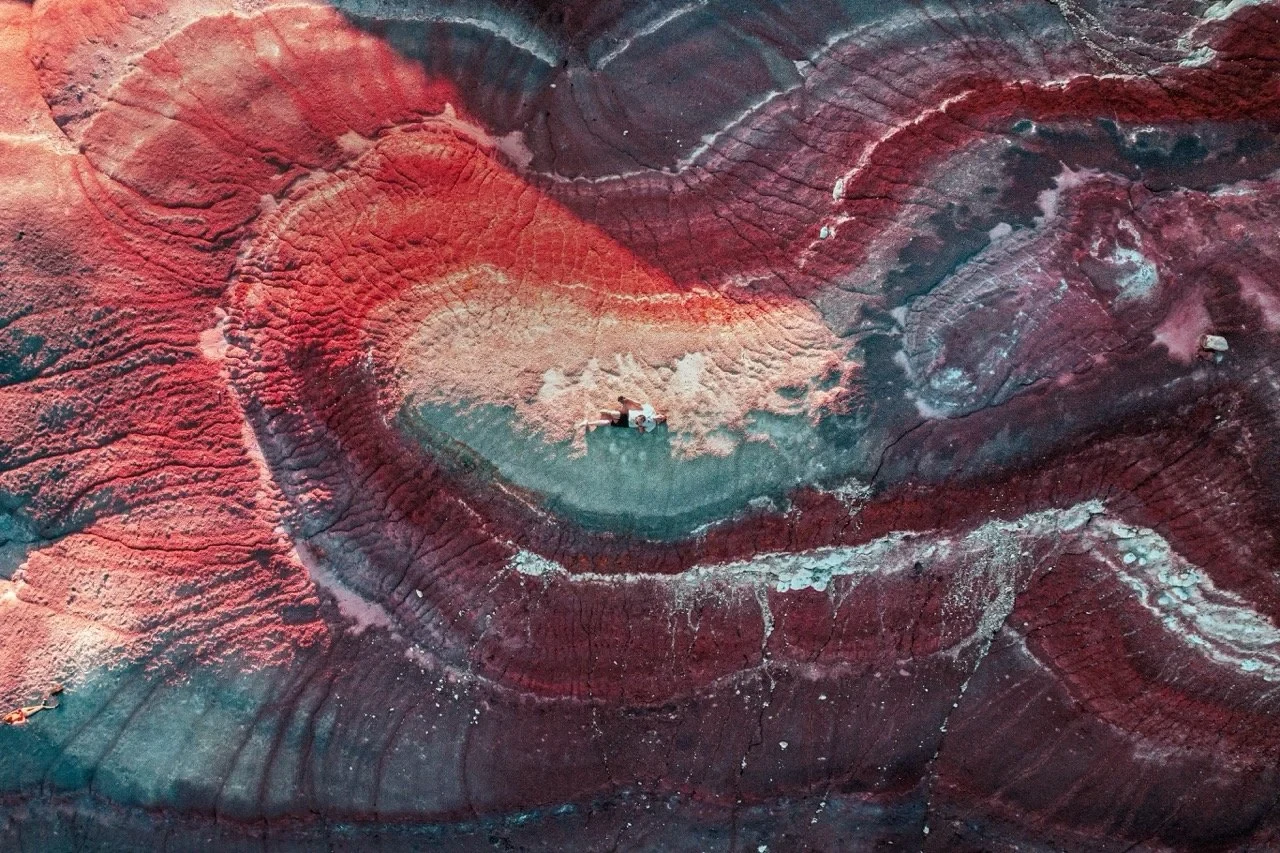
A wide view can make the setting of a wedding feel immediate: the shape of the landscape, the scale of a gathering, the place you chose to say your vows. It can be a beautiful part of a film. It is also a separate flight operation, with requirements that do not disappear because the occasion is a wedding.
Start with the pilot and the proposed flight
The FAA’s guidance for commercial drone operators describes Part 107 as the framework for small-drone work and business operations. Ask who will be responsible for the flight and whether the pilot’s qualifications and the proposed operation meet the applicable requirements. Do not substitute a small aircraft, a familiar venue, or a relative who owns a drone for that conversation.
Next, share the actual locations, dates, and proposed shots. Those details help the operator evaluate the flight. A request for a distant establishing view and a request to fly directly above a ceremony are not the same plan.
Airspace permission and land permission are different
A landowner or venue can discuss use of its property, but that is not the same as an airspace authorization. The FAA’s Part 107 airspace guidance addresses controlled-airspace authorizations. The responsible operator should check the airspace and any restrictions for the location and time of the flight.
Also check with the person or agency managing the place where the flight will be operated. A wedding permit, filming permit, and drone approval can cover different activities. Ask specifically about commercial wedding filming rather than relying on permission meant for personal recreation.
National parks and state parks do not use one rule
For national parks, the National Park Service’s drone guidance explains the general prohibition on launching, landing, or operating uncrewed aircraft on NPS-administered lands and waters, with limited exceptions. Do not assume that paying for a wedding or photography permit creates a drone exception. Ask the park directly about the activity you propose.
Utah state parks have their own site-specific processes. For example, Wasatch Mountain State Park distinguishes personal drone permission from commercial use, which goes through its special-use process. Dead Horse Point State Park lists a seasonal closure to drones from March through October, with permitted winter use and additional commercial requirements. These examples show why a rule from one Utah park should not be carried over to another.
The linked park pages are the place to check current restrictions, required approvals, and timing. Confirm them again for your date; this article was researched on October 30, 2026. A scenic photograph in a portfolio is inspiration, not evidence that a particular flight is permitted there.
Guests underneath change the flight plan
The FAA’s operations-over-people rules allow certain operations only when the relevant conditions are met. A guest is not automatically part of the drone operation simply because they are attending the wedding. The operator needs to evaluate the aircraft, people, flight path, and any other applicable requirements rather than treating consent from the couple as blanket approval.
You can help by telling the team where guests will gather and whether the schedule changes their location. Do not ask a pilot to squeeze a shot into a crowded moment after they have ruled it out. A useful film does not depend on putting an aircraft into a situation it should not enter.
Have a good film plan without the aerial shot
Weather, access changes, permissions, and the operator’s safety assessment may make an aerial shot unavailable. Build the wedding story around the people and events first. Ground-level views, movement through the venue, natural sound, and portraits can establish a sense of place without a flight.
Drone footage is listed among the Hazel Film collection and add-on options, but the flight itself still needs to be feasible and appropriately authorized. Share your venue and dates in an inquiry so that the coverage conversation can start with the actual location. For a celebration spanning several settings, read the wedding-weekend coverage guide and allow time for a realistic plan rather than treating an aerial view as a guaranteed extra.