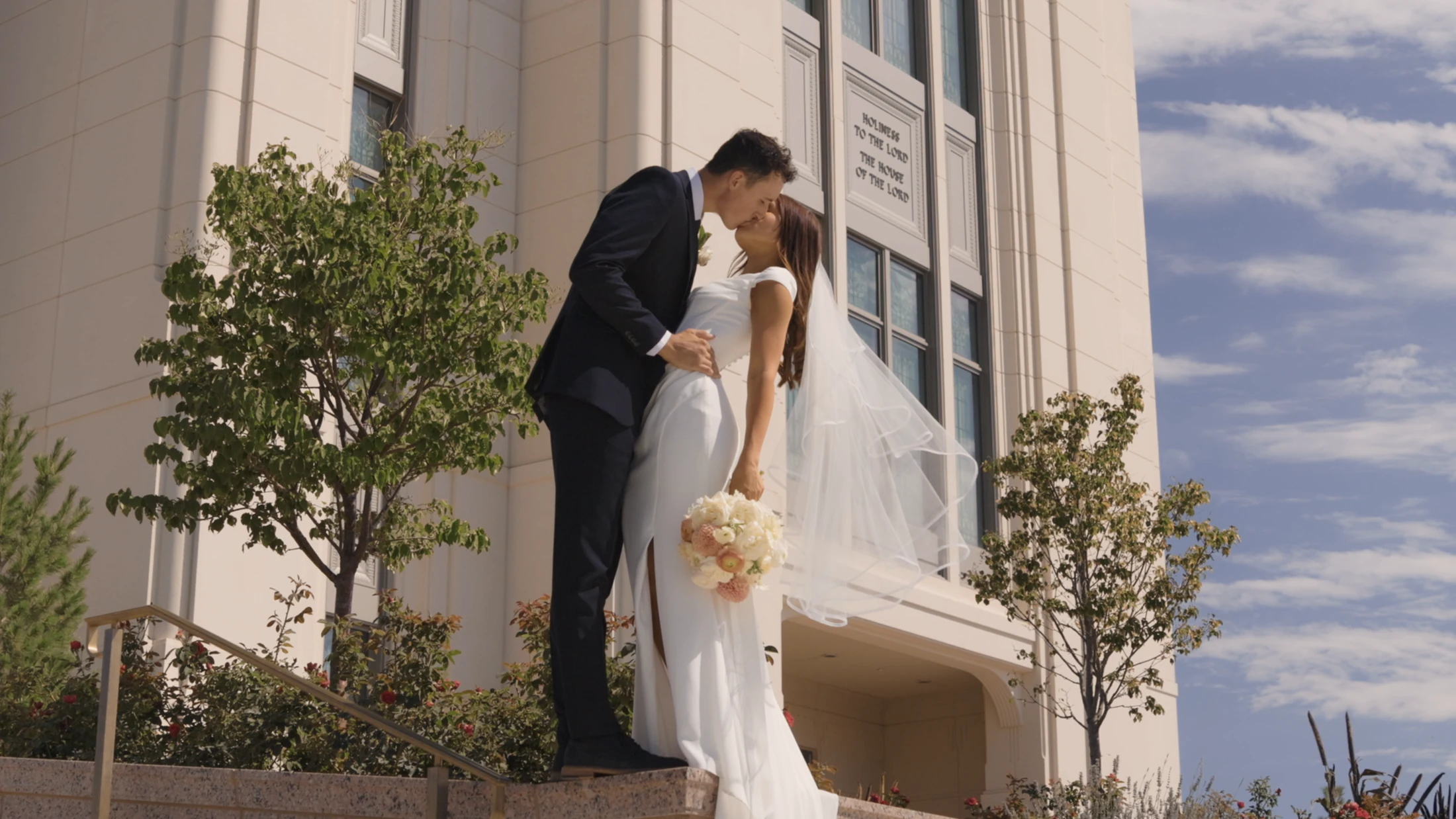
One couple says they want a documentary film because they do not want the wedding to feel staged. Another says cinematic because they love a beautiful opening sequence. They might be describing the same film. A candid conversation can sit beside a carefully framed portrait; an emotional story can be both thoughtfully edited and grounded in what really happened.
Start with the experience, then the style
The Knot’s 2027 trend report highlights emotional, editorial-cinematic photography. That is a photography observation, not proof of a particular wedding-video search trend. It does point to a useful conversation: couples can value artful images and honest emotion at the same time.
For this guide, think of documentary as an emphasis on observing the day and preserving its people and events. Think of cinematic as an emphasis on visual composition, pacing, sound, and an intentionally shaped viewing experience. Different filmmakers use the words differently, so the examples they show you matter more than a definition on a booking page.
A highlight film is not the same as a full recording
A highlight film selects moments and arranges them into a shorter story. A complete ceremony edit serves another purpose: letting you return to the ceremony itself. A film that includes a few lines from your vows does not automatically include every word as a separate deliverable.
Ask about each piece by name. Do you want the whole ceremony, speeches, a couples interview, a short highlight, social edits, or original files? Review the current Hazel Film collections for the listed inclusions, and confirm the final scope in your agreement. The word documentary should never have to carry all of those assumptions.
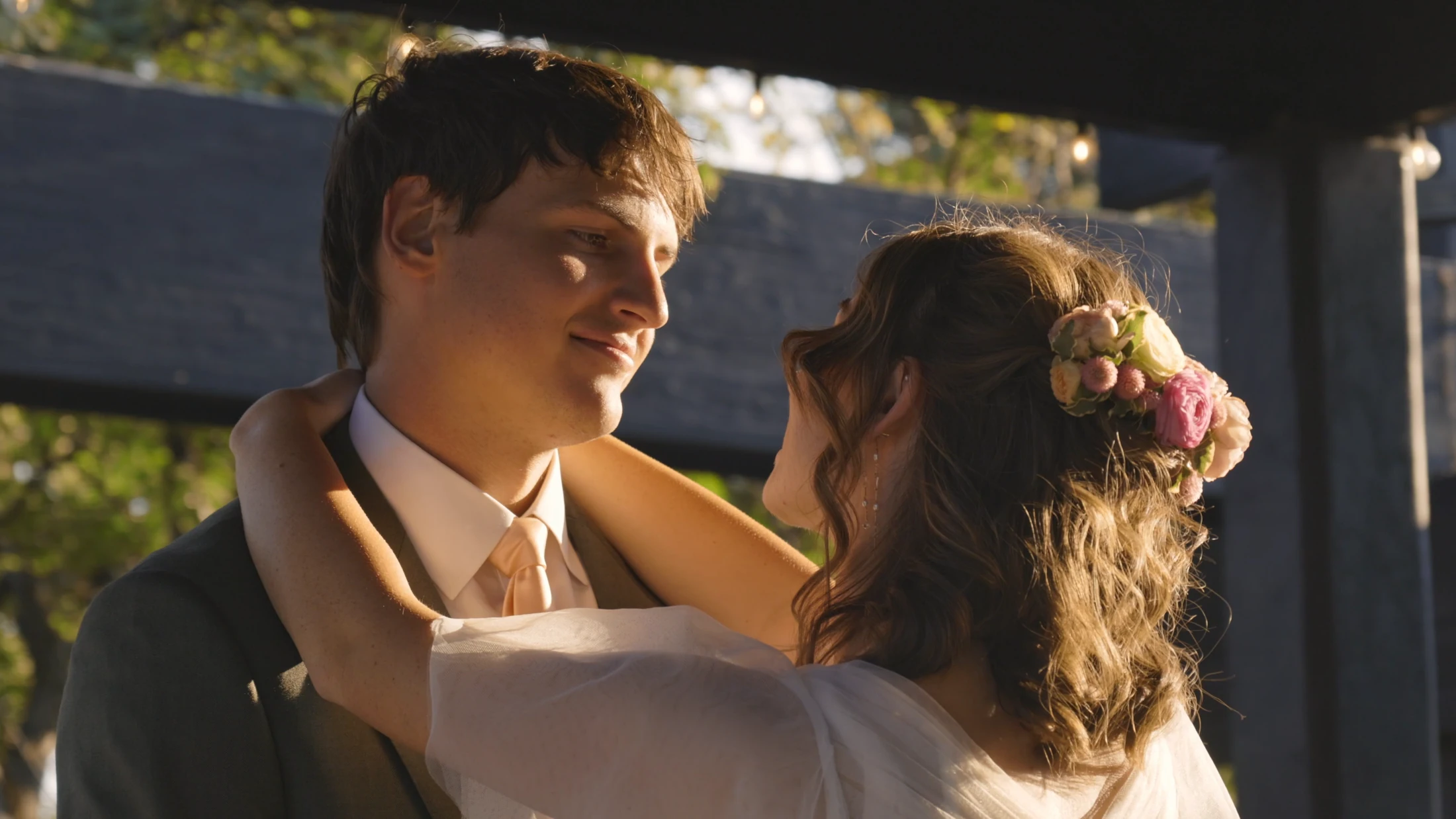
Listen to a film as closely as you watch it
A familiar voice can carry more meaning than another dramatic angle. If that matters to you, ask how the team will approach vows, speeches, and the sounds of the gathering. Shure’s production-audio guide explains the importance of microphone choice, monitoring, and having a plan when an event uses someone else’s microphone. For a couple, the practical step is sharing the sound priorities and connecting the videographer with the venue or DJ.
You do not need to choose equipment. You do need to say if a particular speech or conversation matters, and find out what can be recorded and delivered. Wind, a loud room, venue restrictions, and an unexpected change of microphone are reasons to plan the conversation in advance rather than assume the camera will hear everything perfectly.
Decide how much direction feels comfortable
A little direction can make space for an easy walk, a quiet pause, or a clear view of your faces. Constantly repeating an emotional moment can feel very different. Ask how portraits will be handled and how much of the day the team expects to observe without interruption.
Bring two or three examples and describe what you like about them. Maybe it is the natural sound, a calm pace, the way guests appear, or a short portrait sequence. That is more useful than asking a filmmaker to reproduce another person’s wedding exactly. Abby and Josh’s film and the other Hazel Film collections give you full examples to watch rather than a style label alone.
Build a simple list of priorities
Try finishing these sentences: I want to hear… I want to remember… I would feel uncomfortable if… Share the answers while you are discussing coverage. They can guide the creative conversation without turning your day into a shot-by-shot performance.
If you also want quick social footage, read our content creator versus videographer guide. If time together before the wedding matters, the first-look guide can help you decide where that part of the story belongs. You can choose an intentional film without having to act out somebody else’s idea of a wedding.