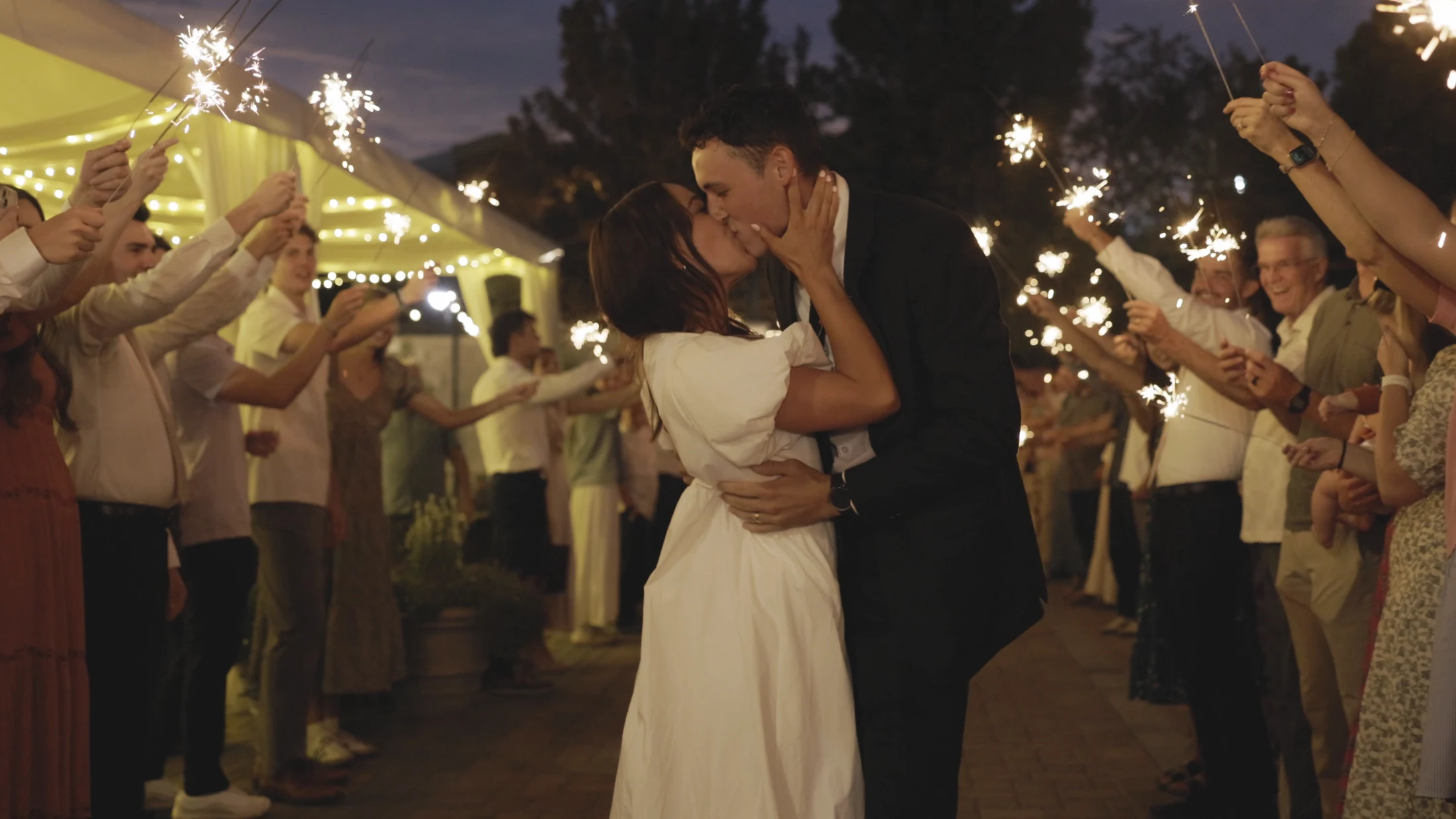
A wedding schedule can fill up quickly. Getting ready, gathering family, traveling between locations, and finding time to eat can leave the day feeling full before the ceremony even begins.
Your film does not need a day planned around the camera. It does help to leave enough room for the moments you care about to actually happen. Start with a few priorities, share them early, and let the schedule support the experience.
Start with people and moments
Before making a long shot list, think about who you want to hear and see when you watch the film later. A grandparent’s hug, your partner’s reaction, a conversation before the ceremony, or everyone singing on the dance floor might matter more to you than another perfectly arranged detail.
Tell your videographer about those people and moments. If something meaningful is happening outside the usual ceremony-and-reception rhythm, sharing that ahead of time helps make room for it.
Leave breathing room between locations
Travel time includes more than the drive. There is also time to gather belongings, find the right people, park, and get settled again. A schedule that works only when everything happens at the exact minute can make even a beautiful day feel hurried.
Talk through the route with the people helping you plan. A little margin can mean time for a quiet moment together rather than another rushed transition.
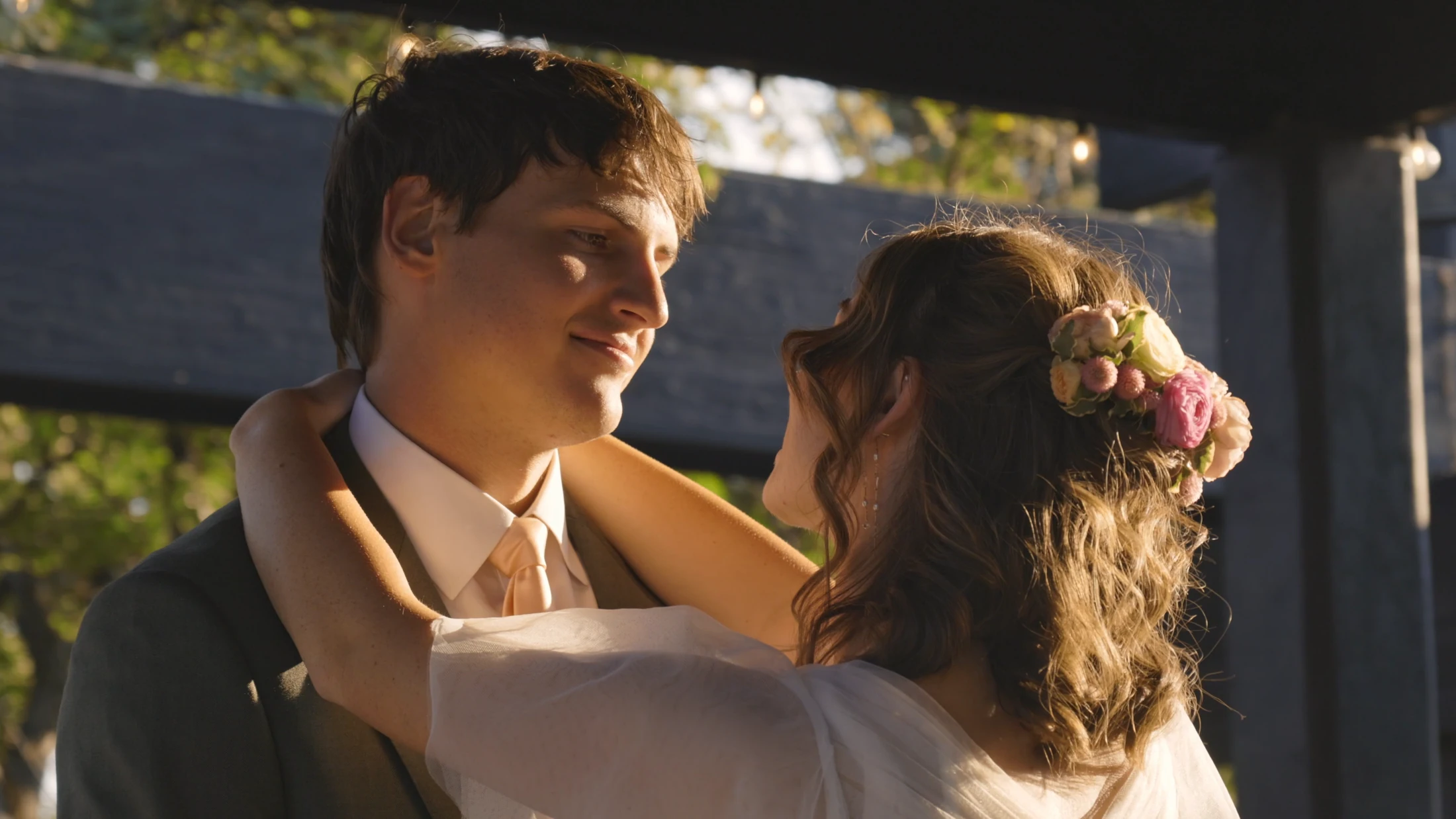
Plan for sound as well as images
A wedding film can hold onto voices as well as the way the day looked. If vows, a ceremony, a speech, or an interview are important to you, mention that when discussing coverage.
Let your videographer know about any venue rules and who is handling the ceremony or reception sound. Those conversations are easier before the day begins. What can be recorded depends on the coverage you choose and the practical arrangements at your locations.
Make couple time feel like part of the day
A short stretch of time together can be a welcome pause. It does not need to become a performance. Walk, talk, take a breath, and give yourselves permission to enjoy being married.
If you want a separate first-look session, that can give you another way to make space for the two of you. The first-look and wedding-day film guide explains how the two experiences work together.
Match coverage to what matters
Compare the actual inclusions before deciding on a collection. Think about the part of the day you want covered and whether a first look, full ceremony, couples interview, or social clips are priorities for you.
You can review the current Hazel Film collections and add-ons, then watch a few wedding films to get a feel for how different celebrations come together on screen. Taylor and Brayden’s film is one place to start.
When you are ready, send your date, locations, and the moments you care about most. You do not need every detail worked out. Those first few priorities are a useful place to begin.