A wedding film can show the flowers, the light, and the people you love. But the words you say to each other may be what you most want to hear again in twenty years. That makes ceremony audio every bit as important as the picture.
The short answer: Clear wedding-vow audio usually comes from planning ahead with your videographer and officiant, choosing a quiet location when possible, and allowing discreet microphones or a reliable connection to the venue’s sound system. An outdoor ceremony needs extra attention to wind and nearby noise.
Why a camera’s built-in microphone isn’t enough
A camera may be several rows away from the ceremony. It can record the room, but it also hears chairs moving, guests coughing, traffic, and wind. The result might sound distant even when the picture looks lovely.
Videographers often use a combination of small microphones near the couple or officiant, a feed from the sound system, and a separate backup recorder. The right setup depends on the ceremony, the clothing, and the venue’s rules. Ask your videographer what they recommend rather than assuming one microphone will cover everything.
Talk to your officiant before the wedding
Your officiant helps determine where everyone stands, who speaks, and whether a handheld microphone will be used. Share your plans for filming in advance. If you are exchanging private vows before the ceremony, let the videographer know whether you want those words recorded.
If your ceremony has restrictions on microphone placement or recording, respect them. Your videographer should be able to discuss a practical alternative rather than making last-minute changes during the ceremony.
Plan for wind at an outdoor Utah ceremony
Utah’s mountain overlooks, gardens, and open spaces can be beautiful settings, but even a gentle breeze can overwhelm a microphone. Wind protection helps, although strong gusts may still affect sound.
When choosing the ceremony layout, think about where the wind tends to come from, whether speakers are close enough to the guests, and whether a sheltered position is available. Visit the site at a similar time of day if you can. If you’re getting married at a mountain or canyon location, ask about the venue’s weather backup plan.
You don’t need to sacrifice the scenery for audio. You simply want your team to know what conditions to expect.
Make space for the speeches and toasts
Reception speeches are often recorded in a very different environment from the ceremony. Music, conversation, catering activity, and echo can make voices harder to hear.
Tell your videographer when speeches are scheduled and whether the DJ or venue will provide microphones. Keep speakers near the designated microphone and avoid beginning a toast while background music is still playing. If family members are sharing a surprise speech, ask the planner or DJ to quietly notify the video team first.
Three simple things to ask your wedding videographer
- How do you record our vows? Ask what audio sources they expect to use and whether there is a backup.
- Can you work with our ceremony location? Mention outdoor wind, indoor echo, venue restrictions, and the sound system.
- Will speeches and personal letters be recorded? Confirm which moments are part of your agreed coverage rather than assuming every spoken moment is included.
A quick wedding-week audio checklist
Confirm the ceremony start time and locations with your videographer. Share the officiant and DJ or audio contact information. Identify anyone giving a toast. Let the team know about first-look letters, private vows, or meaningful readings. If the forecast changes, communicate the new ceremony plan promptly.
These small steps can protect some of the most personal parts of your wedding film without adding stress to the day.
Frequently asked questions
Should we use microphones for a small wedding?
Often, yes. A small guest count doesn’t guarantee quiet surroundings, especially outside. Ask the videographer whether discreet audio recording makes sense for your setting.
What if we are uncomfortable wearing a microphone?
Say so ahead of time. Your videographer may be able to capture sound through the officiant, venue sound system, or another arrangement, though results vary.
Can wind noise be fixed in editing?
Some noise can be reduced, but severely distorted or missing words cannot always be restored. Good recording at the ceremony is much more dependable than relying on repairs afterward.
Should we record private vows or letters?
Only if you want to. Tell your videographer which moments are personal and whether they should be included in your final film.
Keep the words that matter
The best wedding films don’t just remind you what the day looked like. They help you remember what it felt and sounded like. As you plan your Utah wedding, talk through the ceremony and reception audio with your videographer early.
Explore the Hazel Film wedding collections and wedding films as you decide which moments matter most. For a temple wedding, see the temple wedding filming guide for recording restrictions and planning outside the ceremony.
Ready to talk about your wedding film? Share your date, venue, and the moments you’re most excited to remember.
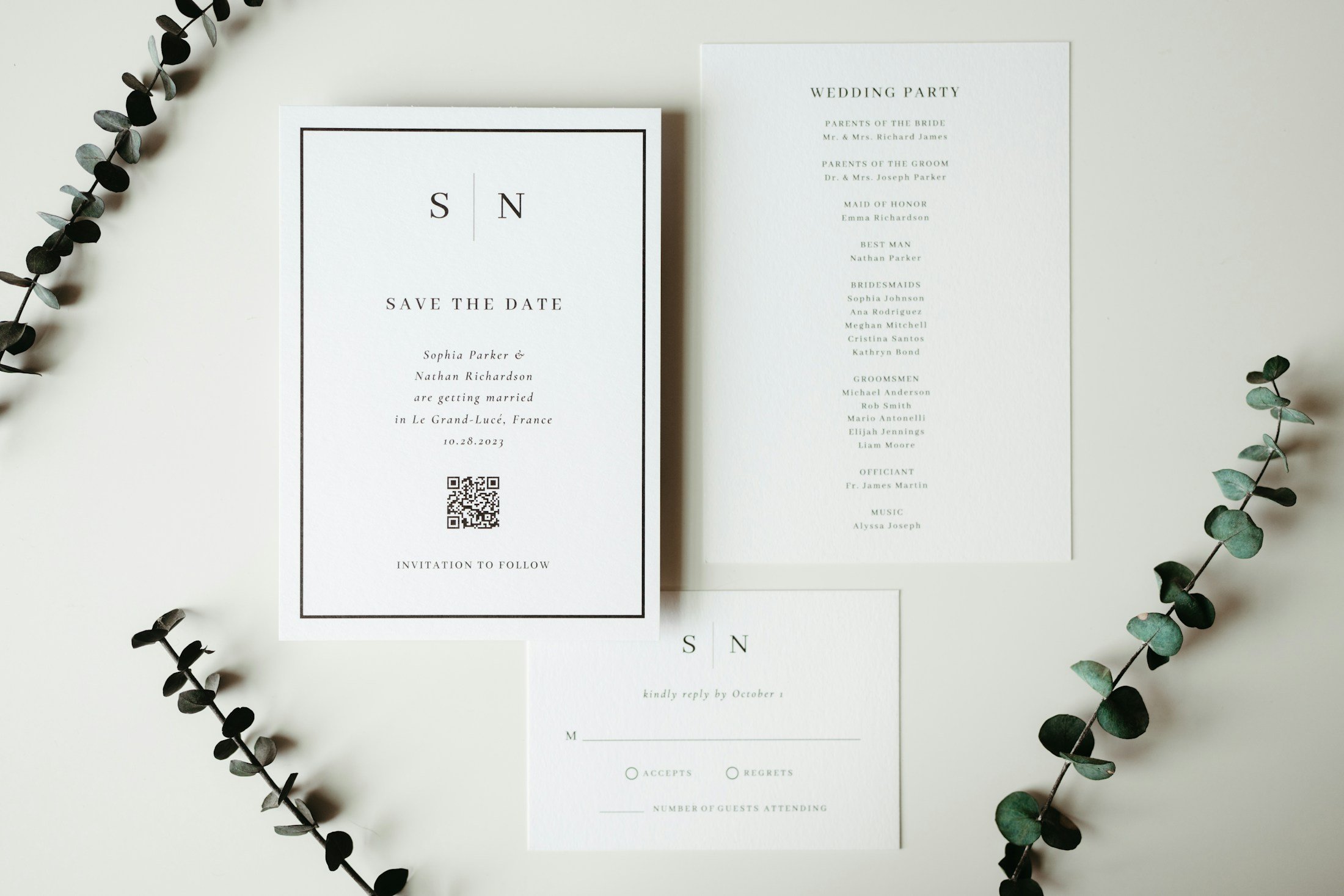
Hero photo: Micah & Sammie Chaffin / Unsplash. Licensed stock imagery; not Hazel Film’s work. View photo and photographer · Unsplash License.